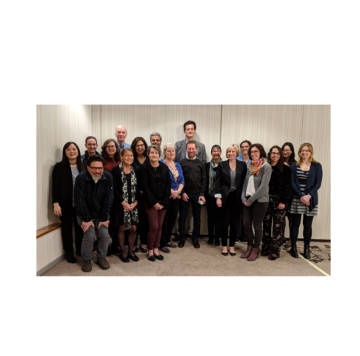
The IeDEA-SA Team
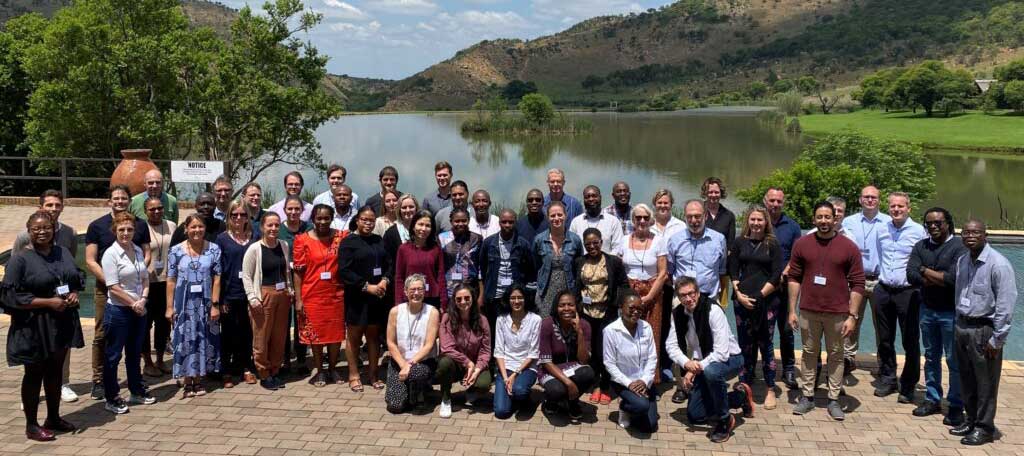
IeDEA Southern Africa Meeting
in Muldersdrift, South Africa
November 2022
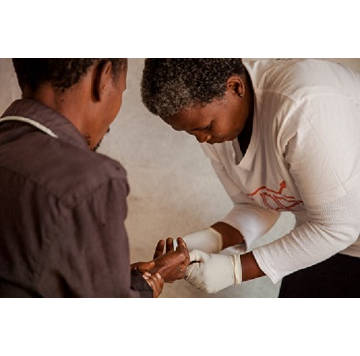
Southern Africa is the epicentre of the HIV/AIDS epidemic, with some of the largest antiretroviral therapy (ART) programmes worldwide. By end of 2020, UNAIDS estimated 27.5 million people worldwide were accessing ART, 5.6 million in South Africa alone.
The International epidemiology Databases to Evaluate AIDS Southern Africa collaboration (IeDEA-SA) undertakes research to improve the long-term delivery of HIV care and ART services. The combined database includes individual-level data on more than 640,000 adults and children on ART in 17 large collaborating cohorts in Malawi, Zambia, South Africa, Mozambique, Lesotho and Zimbabwe.



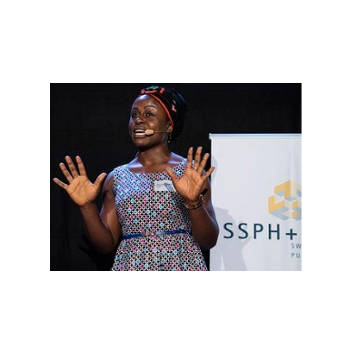
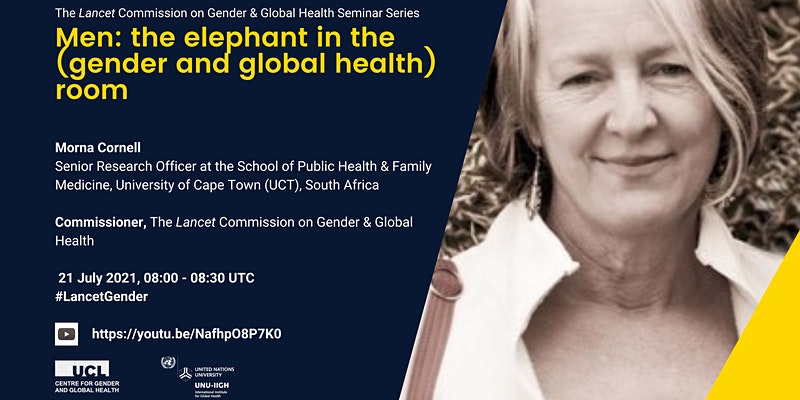
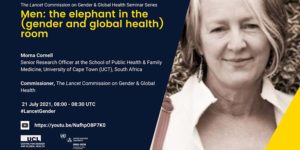
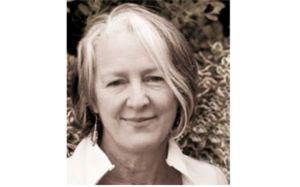 Don’t miss Dr Morna Cornell speak about her journey in research of men and HIV.
 IeDEA is excited to share news of the launch of the




 The abstract submission for INTEREST 2020 is now open! INTEREST will be held in Windhoek, Namibia from May 5-8, 2020.